

3D-Printed Models in the
Medical Field:
Diagnostic and Surgical Applications
Overview
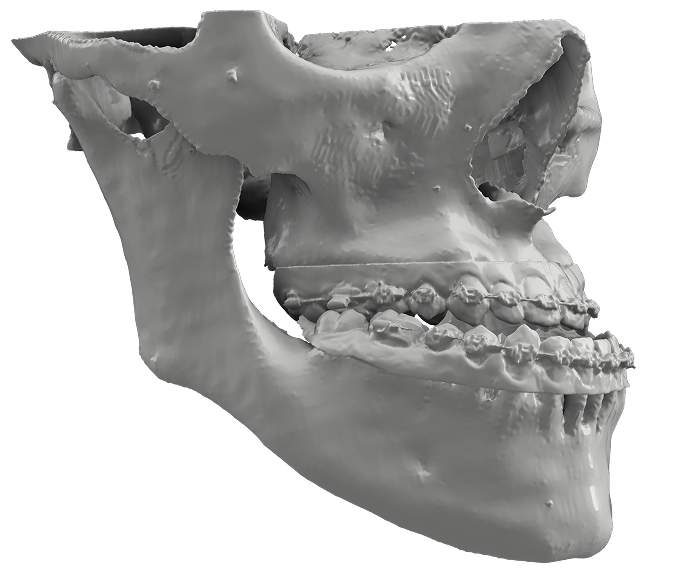
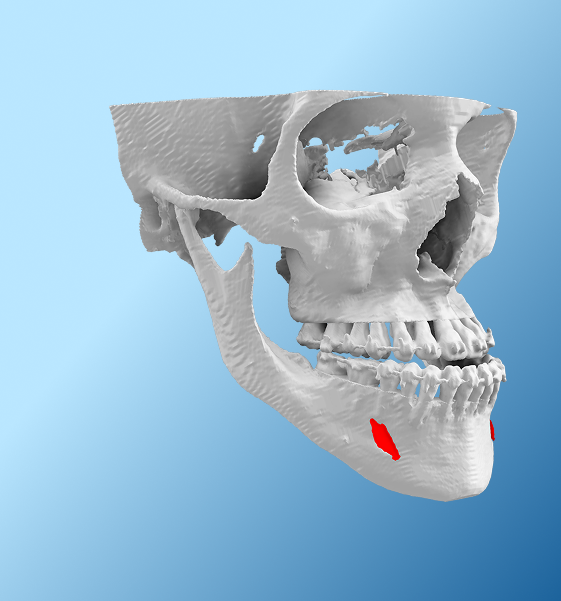
3D printing is revolutionizing healthcare by converting digital images into physical, patient-specific anatomical models. These models are crucial resources for clinicians and patients, as they improve diagnostic precision, preoperative planning and surgical performance. They are used in a wide variety of disciplines, such as orthopaedic surgery, neurosurgery, maxillofacial surgery, cardiology, plastic surgery and oncology. 3D printed models are making a real difference in the way complex medical conditions are comprehended and treated.
Diagnostic Applications
Orthopedics
- Thorough assessment of complex fractures, congenital deformities and skeletal deformities.
- Enhanced appreciation of joint pathology before arthroplasty.

Maxillofacial & Dental
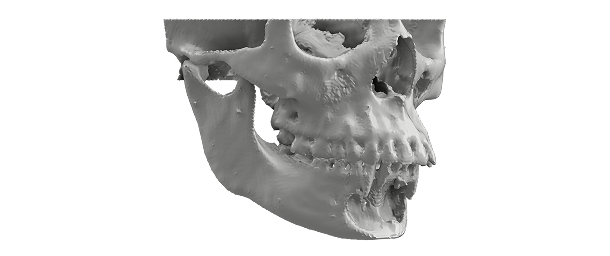
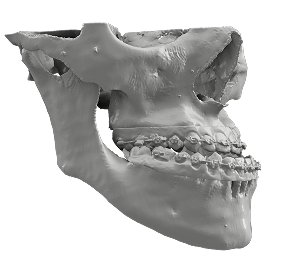
- Visualization of craniofacial deformities, malocclusion or tumours of the jaw.
- Improved patient understanding for orthognathic surgery and dental implant treatment planning.
Neurosurgery
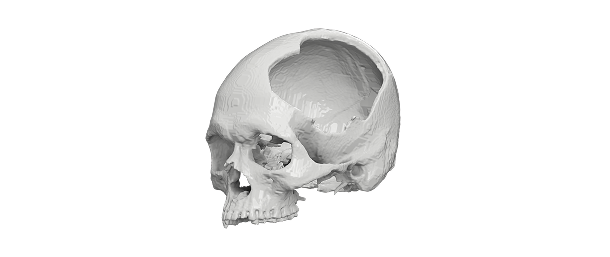
- Evaluation of the skull base tumors, aneurysms and congenital malformations of the brain.
- Multiple intricate vascular structures are mapped for accurate diagnosis.
Cardiology
- Pediatric heart defects are demonstrated by patient-specific 3D heart models.
- Increased diagnostic refinement in congenital heart diseases for therapeutic decisions.
Oncology
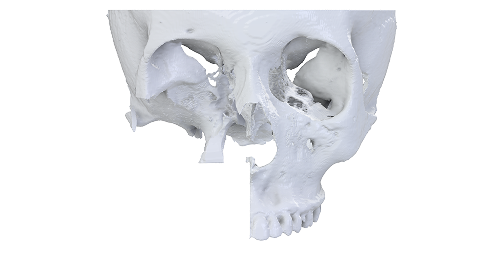
- Proper documentation of the size, margins and tumoral extent in relation to adjacent structures.
- Useful in the multidisciplinary tumor board review and for assessing surgical feasibility.
ENT & Head-Neck
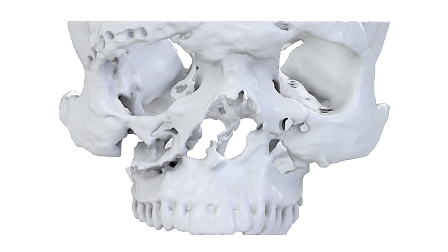
- Excellent visualization of complicated sinus and skull base anatomy.
- Diagnostic aid for congenital tracheobronchial anomalies and structural abnormalities.
Surgical Applications
Orthopedics
- Preoperative practice for fracture reduction and deformity correction.
- Personalized surgical guides for joint replacement, spinal deformity correction and bone lengthening.
Maxillofacial & Dental
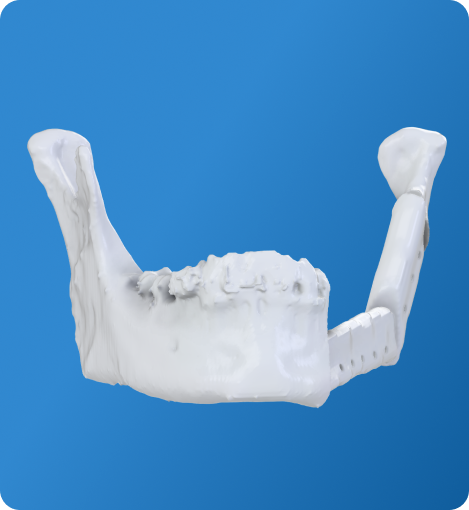
- Resection of maxilla and mandible with free fibula flap reconstruction.
- Patient-specific implant and fixative plate design and manufacturing.
- Accurate aids for dental implant positioning and orthognathic surgery.
Neurosurgery
- Preoperative mapping for skull base and intracranial tumors.
- Customised cranial implants for cranioplasty.
Cardiac & Vascular Surgery
- Predictive modelling for surgical rehearsal in congenital heart defect and valve repair.
- Pre-operative evaluation for intricate vascular grafting, stent deployment and bypass surgery.
Plastic & Reconstructive Surgery
- Personalized planning of craniofacial repair after trauma or congenital malformations.
- Surgical template design for sculpting deformities, flaps and soft tissue.
ENT & Head-Neck
- Planning for resection and reconstruction in head and neck cancer surgery.
- Individual templates for reconstruction of the trachea and larynx.
General & Oncologic Surgery
- Anatomic models for planning hepatic and renal tumor resections.
- Donor recipient mapping in complex organ transplant procedures.
3D printed anatomical models showcase their broad utility across all disciplines within healthcare. In diagnostic imaging, they enhance insight, communication and patient involvement. For surgeons, they allow personalized preoperative planning and rehearsal as well as increased accuracy during surgical procedures. 3D printing along with developments such as artificial intelligence, augmented reality, virtual reality and bioprinting, improved the opportunities to provide personalized treatments. These methods improve diagnosis and treatment, but also lay the groundwork for the next generation of patient-centered care.
Contact Us & Get details for
Contact Us & Get details for
3D-Printed Models in the
Medical Field:
Diagnostic and Surgical Applications
Get a Quote Now