
Reduced / lesser operation time
A revolution in the implant industry was created with the fast and reliable production of patient-specific implants (PSI) to fix bone and skull defects.
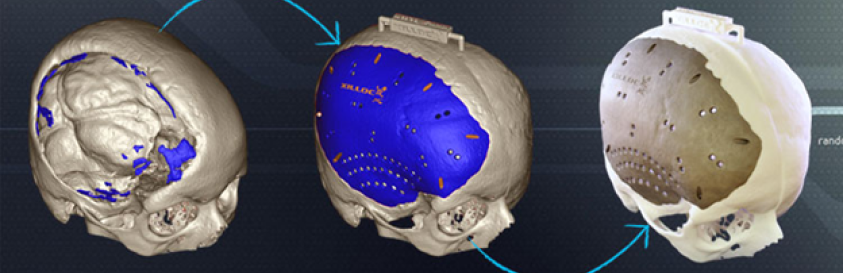
A revolution in the implant industry was created with the fast and reliable production of patient-specific implants (PSI) to fix bone and skull defects. PSI is a rapidly emerging clinical treatment for various bone deformities including injuries due to accidents, war casualties, tumours, aesthetic requirements, functional improvement, and congenital anomalies. Titanium has been used for a long time, but Polyetheretherketone (PEEK) provides excellent clinical outcomes along with numerous advantages. Graft3D's 3D printed patient-specific implants (PSI) enable the construction of almost any complex design geometry that cannot be manufactured using other technologies. 3D printed PSI offers high-temperature performance, chemical resistance, fatigue resistance, and lightweight performance.
Reduced / lesser operation time

Fast recovery after surgery

High aesthetic and reconstructive result

Outstanding

Made up of biocompatible material. Non-contact scanning process.

Implantable and detachable prosthesis. Rapid medical prototyping
Step 01
1 / 8
Surgeons provide a detailed medical scan through a secure platform.
Enquire Now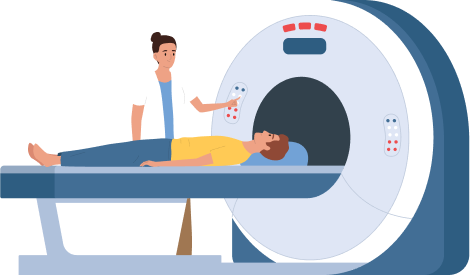
Our Clients
Our recent healthcare 3D service projects, such as medical image segmentation and Bio CAD modelling for 3D printing, serve as a testament to our proficiency and dedication. Whether you require image segmentation, bio CAD modelling, or comprehensive medical 3D printing solutions, we have your workflow covered.

Arun
Doctor
We use advanced software to preprocess images, such as noise reduction or contrast enhancement. This step ensures the input image is of the best quality for segmentation.
Prasanna
Doctor
We use advanced software to preprocess images, such as noise reduction or contrast enhancement. This step ensures the input image is of the best quality for segmentation.
Admin • June 28 2021
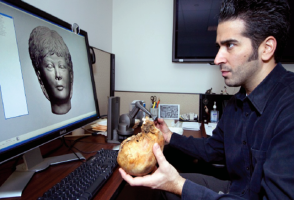
Admin • June 28 2021
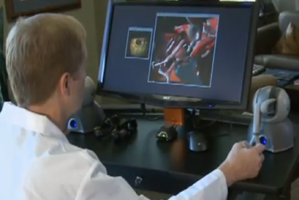
Admin • June 28 2021
For designing and manufacturing patient-specific implants, we require the patient's radiological data (usually CT) and a filled order form with design and delivery specifications.
Conversion of DICOM to STL, virtual planning and design, 3D printing of the titanium implant, and post-operative review.
We use additive manufacturing (DMLS) for medical titanium alloy Ti6Al4V and FDM process for PEEK (Poly-Ether-Ether-Ketone).
After final design approval, implants typically take around 2 weeks, while surgical guides usually take 1-2 weeks.
You can submit patient details and upload DICOM files through our online workflow after contacting our team.
Yes. We can support urgent timelines for special cases. Please contact our team with your requirements.
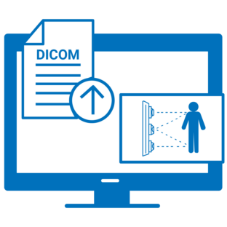
Upload DICOM Image OR 3D scan
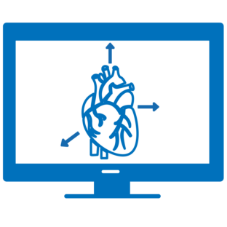
Convert your DICOM image to 3D files

Consult Our Doctors and Bio CAD Modellers To Design Patient Specific Medical Devices

Get Healthcare 3D Printed Parts At Your Doorstep