Overview

The craniofacial skeleton is a complex structure necessary for both aesthetic and functional aspects. Its optimal reconstruction in cases of deformities requires meticulous planning of surgical procedures. Facial deformities can be caused by numerous causes, each of which necessitates individual approach for correction. Common causes include:

Role of Virtual Surgical Planning (VSP)


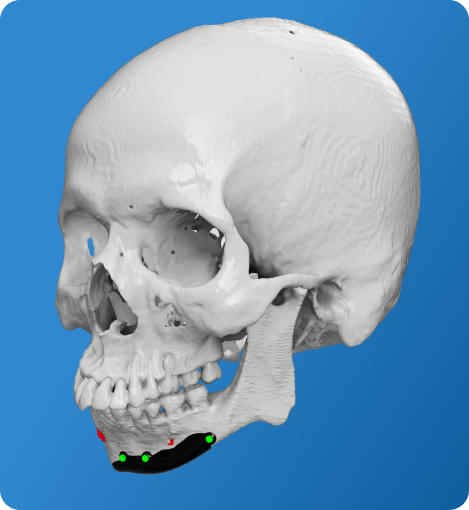
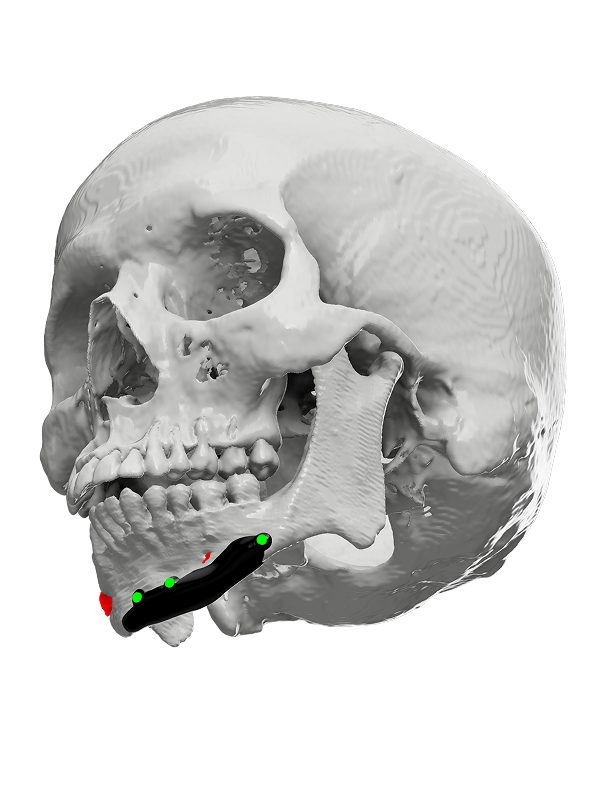
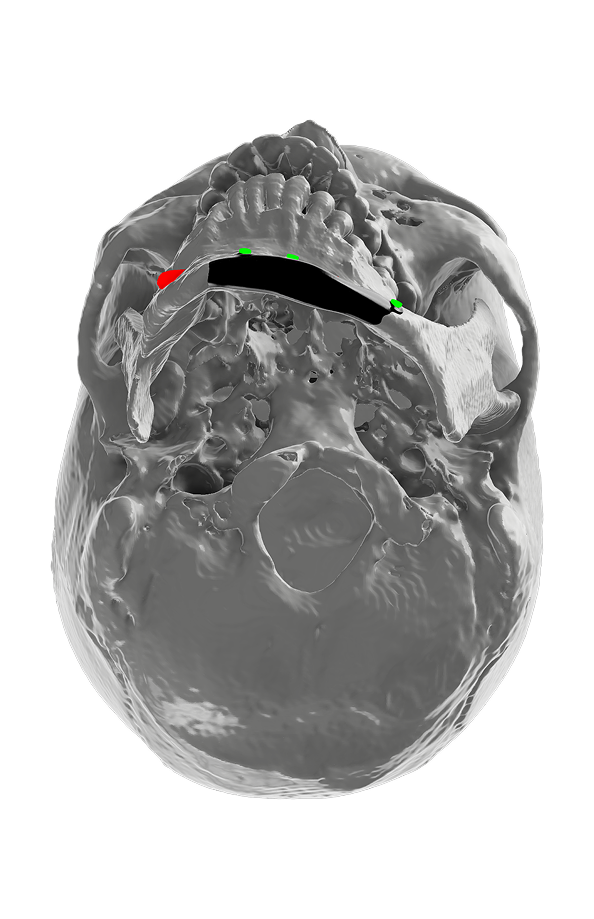
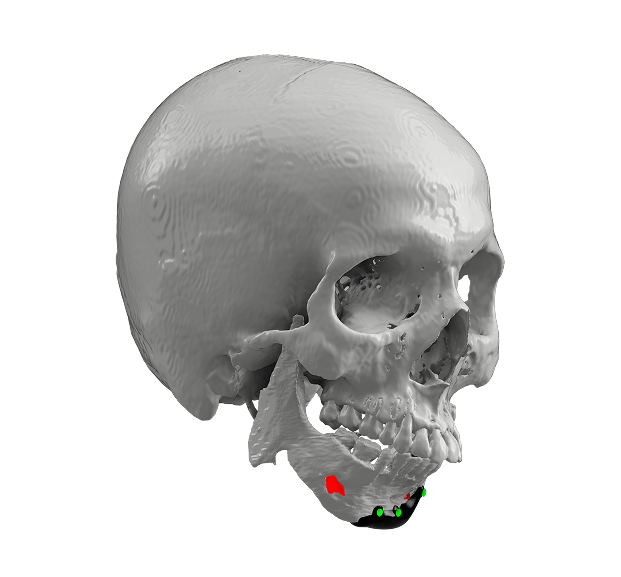
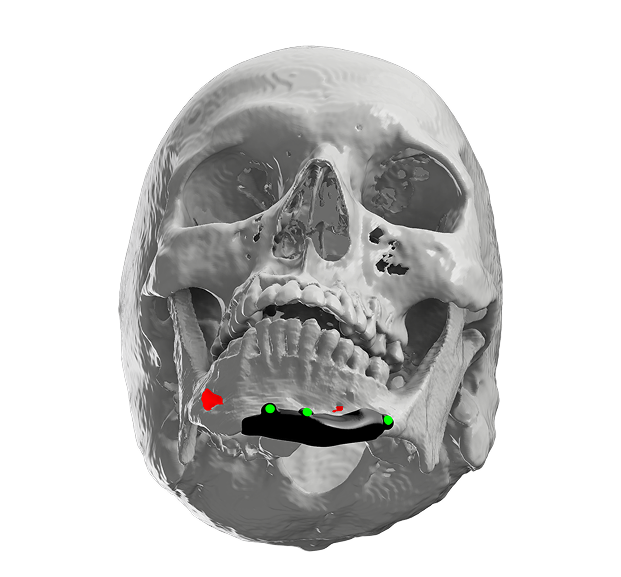
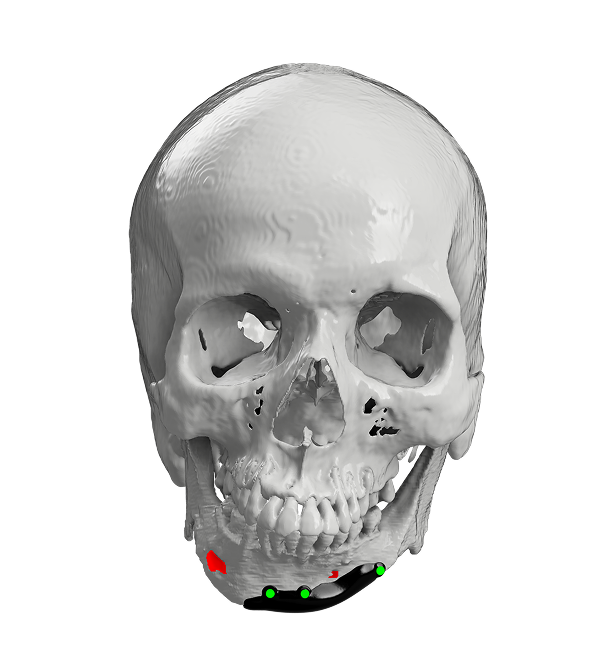
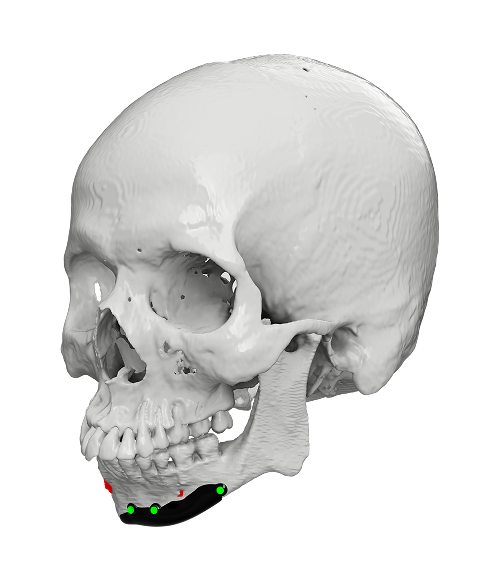
With the development of high-definition CT scans, the craniofacial skeleton can be evaluated in three dimensions. Use of virtual surgical planning in craniofacial reconstruction offers the following abilities for surgeons:

Integration of 3D Printing Technology

When the surgical plan is confirmed, 3D printing in maxillofacial surgery transforms the virtual plan into physical tools and models :

Advantages of 3D Printing and VSP Assisted Facial Reconstruction

Improved Precision:

Time Efficiency:

Strong Predictability:

Superior Outcomes:

Clinical Applications

Orthognathic Surgery of Maxillomandibular Discrepancies:

Orbital Reconstruction in Congenital Anomalies:

Correction of Zygomatic and Frontal Bone Asymmetries:

Cranial Vault Remodeling:

Post Oncologic Resection:

The combination of 3D printing and virtual surgical planning (VSP) has revolutionized the treatment of complex craniofacial malformations. This novel technique enables surgeons to perform osseous osteotomies and reconstructions with more accuracy, less surgical time, and better functionally aesthetic results. By bridging the planning-execution gap, 3D printing in maxillofacial and craniofacial surgery has set a new standard for personalized patient care.

1) What does correction of facial deformity involve in clinical care?

Correction of facial deformity involves surgical and planning techniques to restore normal shape and function after congenital anomalies, trauma, or disease. Detailed pre-operative planning ensures better symmetry, airway support, and aesthetics.

2) How does 3D printing help with facial deformities?

3D printing helps with facial deformities by creating accurate anatomical models and guides that reflect each patient’s unique structure. These models support surgical planning, rehearsals, and implant customization for more predictable outcomes.

3) Why is facial deformity correction important beyond appearance?

Facial deformity correction is important because it improves not only cosmetic symmetry but also vital functions like chewing, speaking, and breathing. Personalized planning helps surgeons address both form and function together.

4) Can 3D printing improve surgical results in facial deformity correction?

Yes,3D printing improves surgical results in facial deformity correction by enabling accurate pre-operative visualization, patient-specific implant design, and rehearsal models, reducing guesswork and intraoperative adjustments.

5) Who typically requires facial deformity correction interventions?

Individuals with congenital conditions (like cleft or asymmetry), post-trauma irregularities, or acquired deformities from disease often require facial deformity correction. A multidisciplinary team evaluates needs and uses tailored planning for best outcomes.

Contact Us & Get details for

3D Printing in the Management of Facial Deformities