

Healthcare 3D Tech Products
Get detailed information, quotes, and demos on 3D scanners, 3D printers, and software exclusively designed for advanced healthcare 3D printing applications.
FAQ
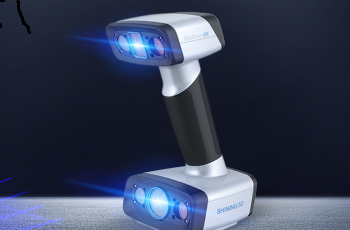
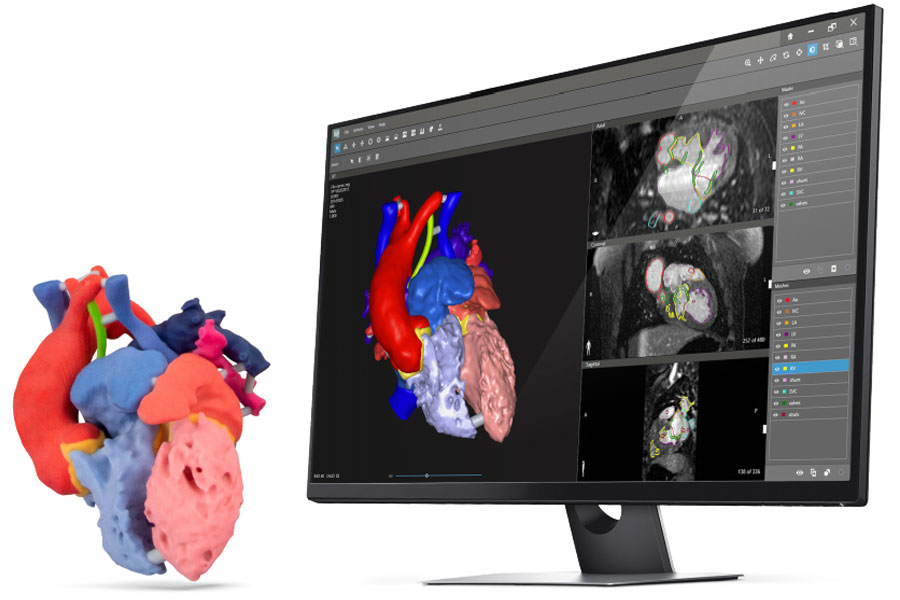
Healthcare 3D Tech products integrate scanning, medical image conversion, and bio-CAD tools that help hospitals plan complex surgeries and produce accurate anatomical references. Graft3D’s portfolio includes medical scanners, CT/MRI conversion solutions, and advanced modeling software that streamline digital workflows from imaging to clinical application.
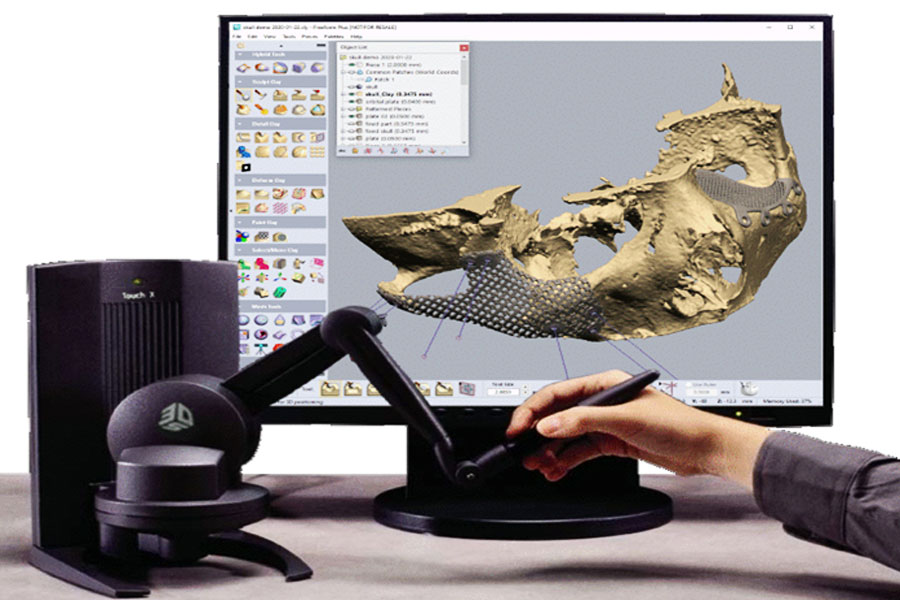
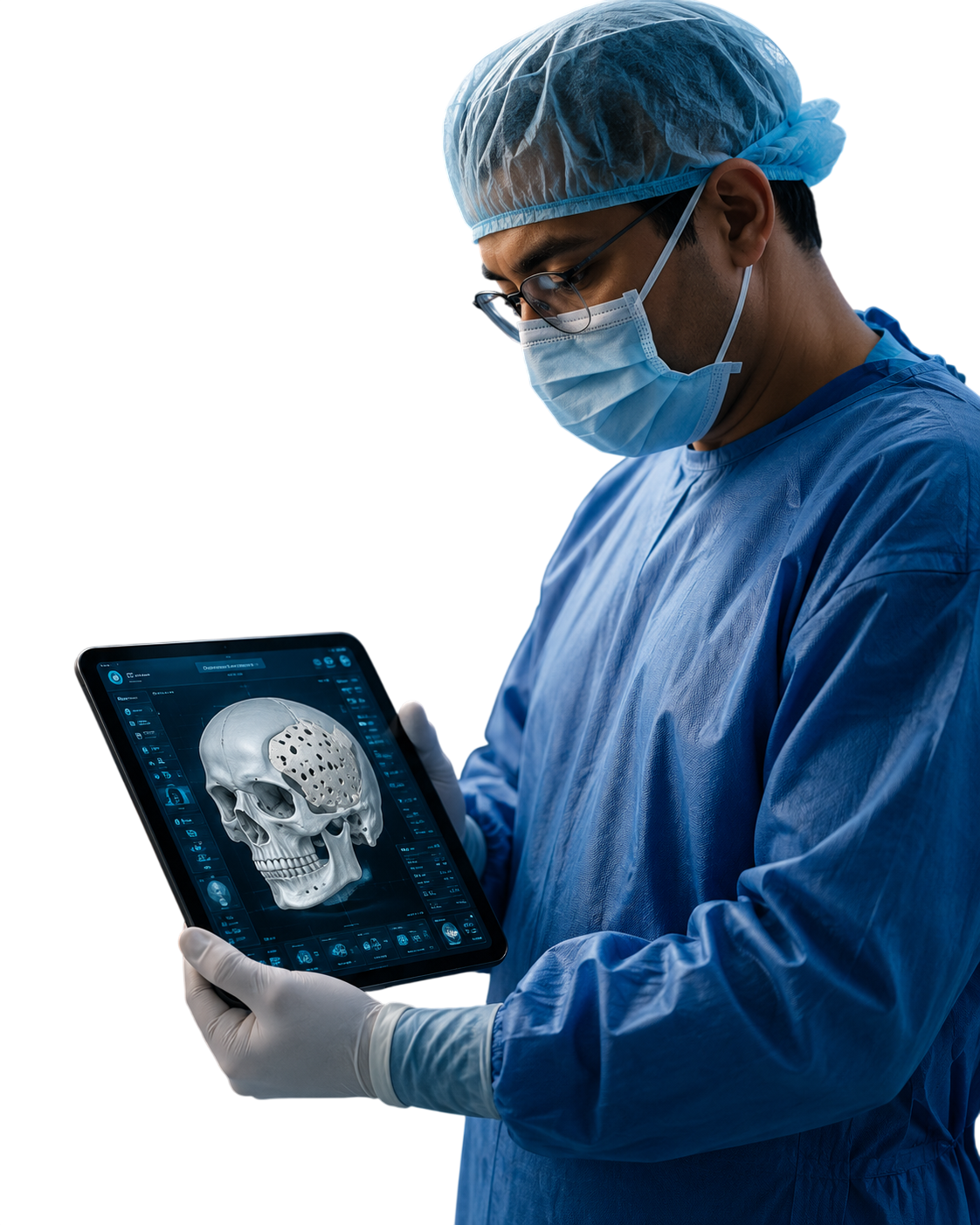
Using Elucis, Geomagic Freeform, and haptic devices, clinicians can design highly accurate patient-specific implants. This enables a seamless workflow from CT data to precision-engineered implant manufacturing.
With EinScan Medica and Geomagic Freeform, clinicians can create lifelike digital prosthetic models. This allows restoration of facial symmetry, aesthetics, and patient confidence.
Combining EinScan H2 with haptic sculpting tools enables precise and repeatable prosthesis design. It reduces manual errors and delivers faster, more predictable aesthetic outcomes.
3D scanning with EinScan Medica and processing via Elucis allows accurate limb geometry capture. This results in custom-fit sockets with improved comfort and biomechanical performance.
The workflow combines EinScan H2, Geomagic Freeform, and Funmat Pro 410. This enables production of lightweight, ventilated, and patient-specific orthotic & Prosthetic devices.
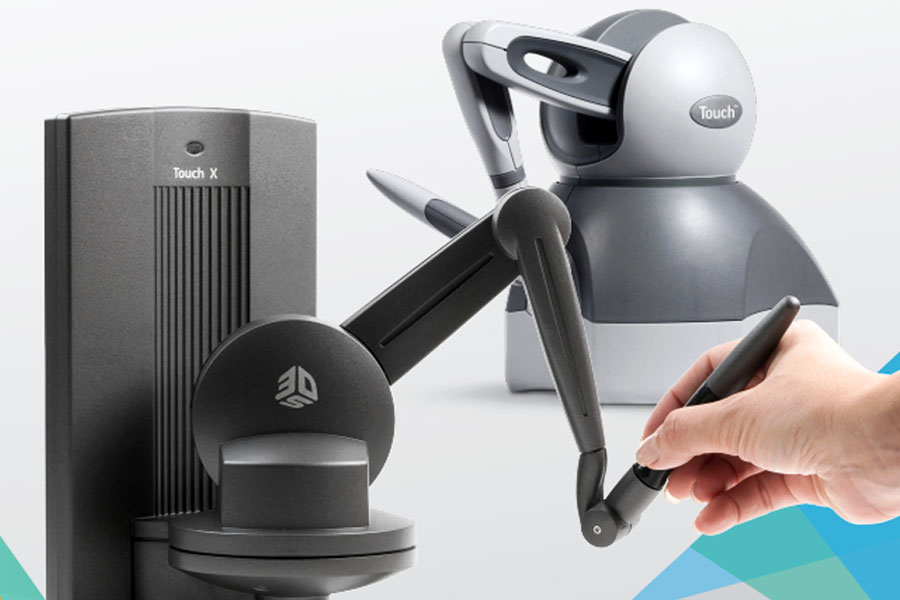
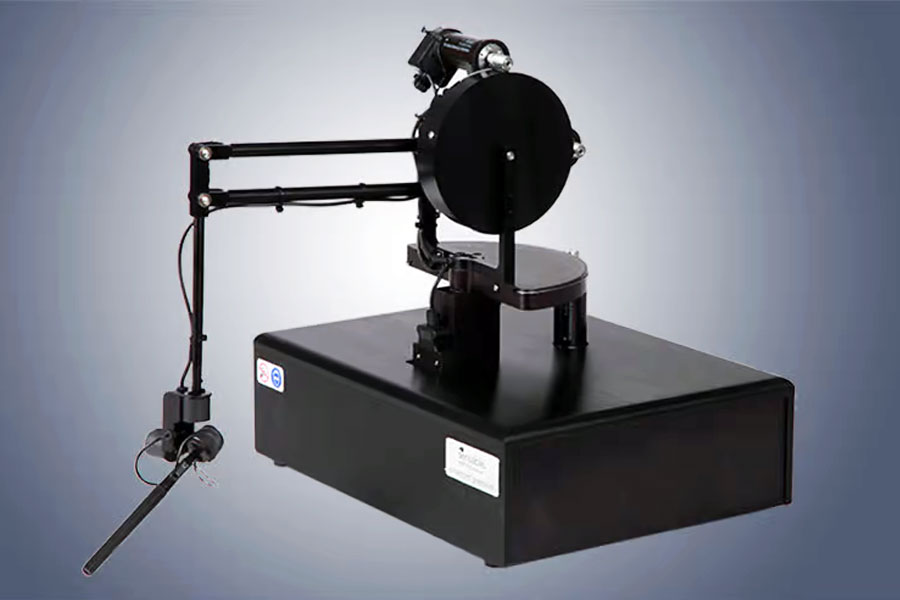
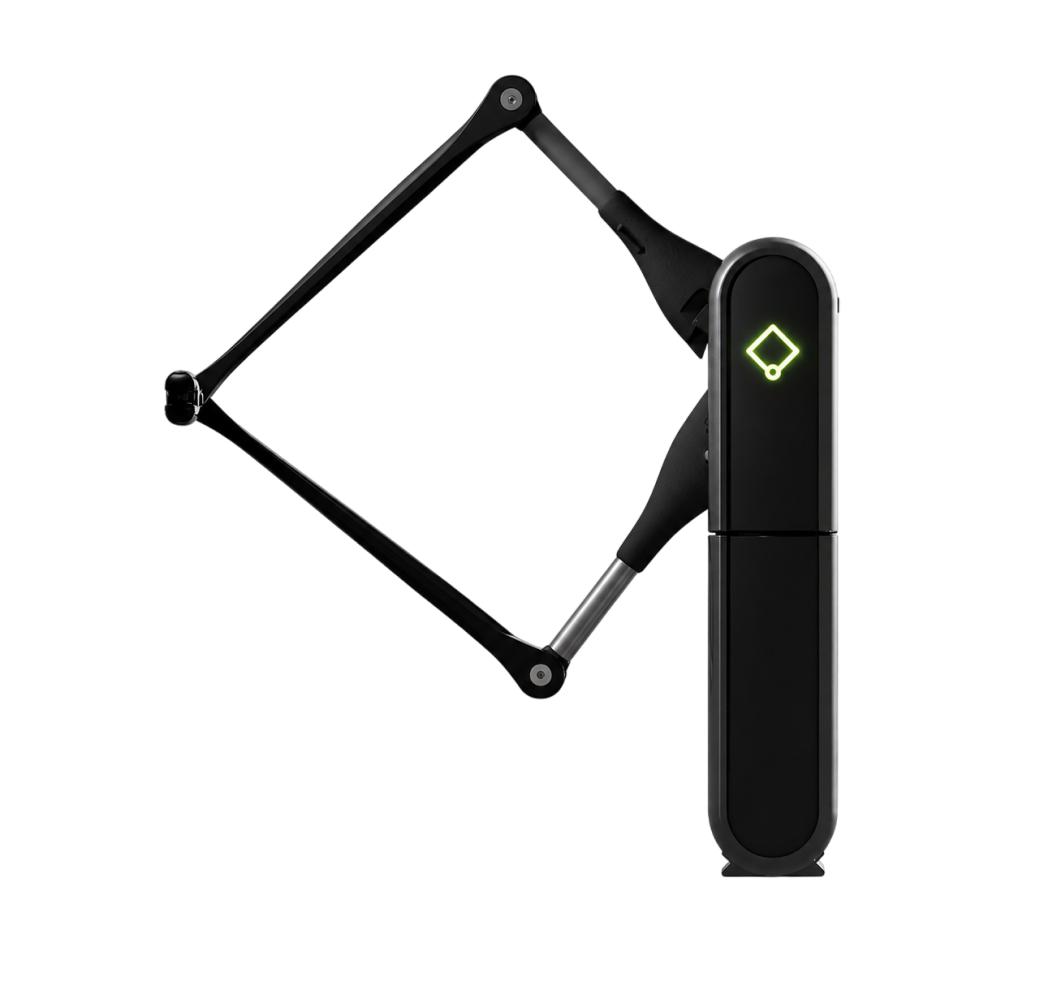
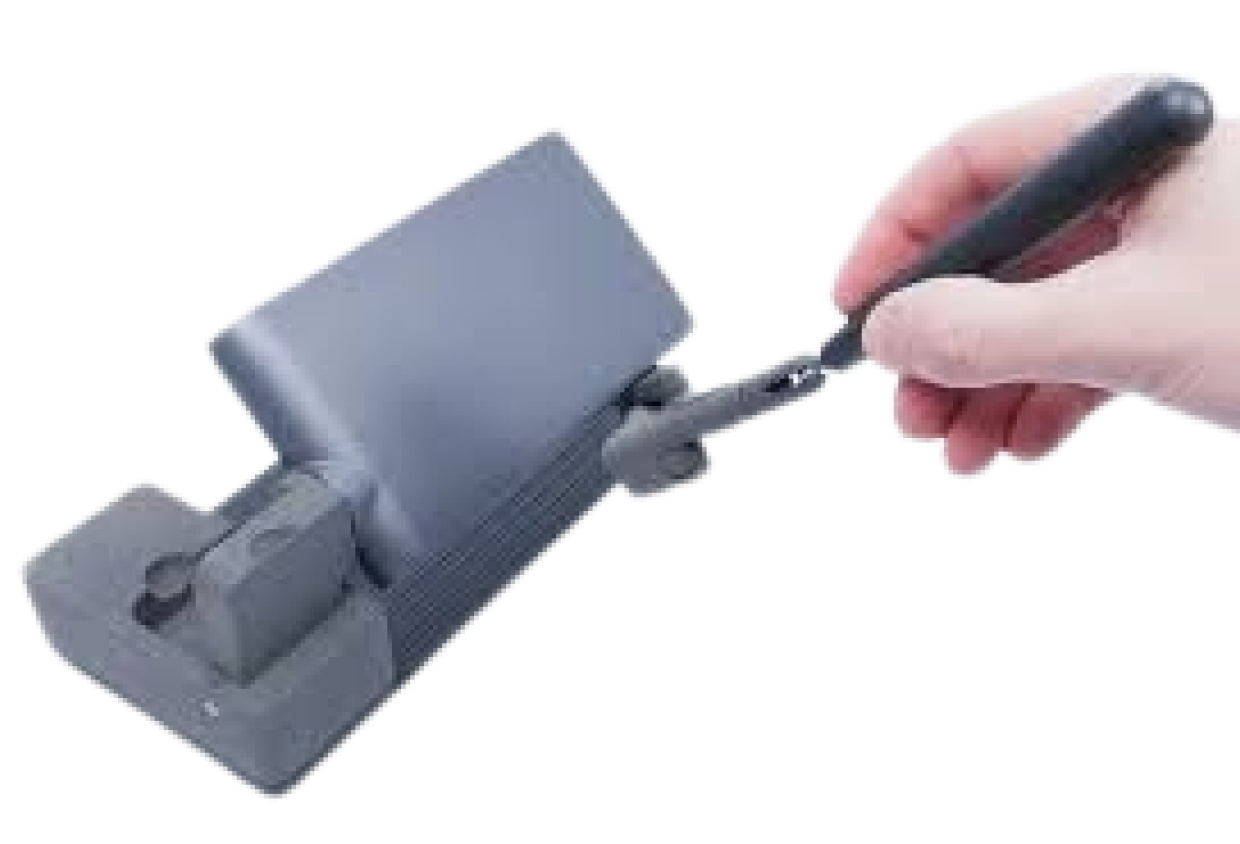
Devices like Geomagic Touch and Phantom Premium provide real-time tactile feedback during design. This allows clinicians to feel anatomy digitally and achieve superior precision in complex cases.