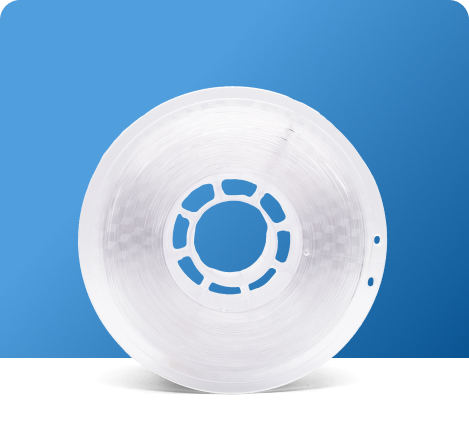
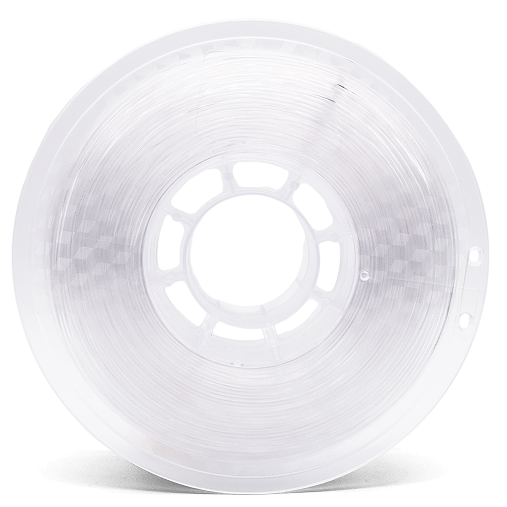
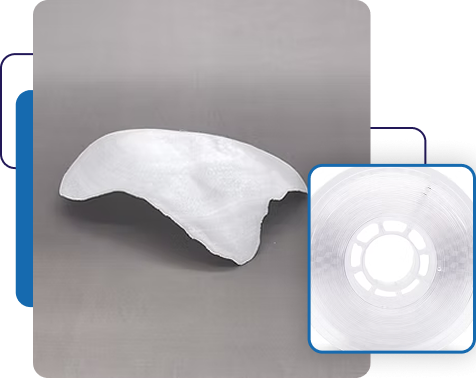
Overview
Polymethyl Methacrylate (PMMA), often called acrylic, is a highly thermoplastic polymer synthesized from methyl methacrylate monomers. Owing to its lightweight nature, biocompatibility, high transparency, and excellent impact resistance, PMMA has become a preferred material for both industrial and medical applications. Applications of PMMA in healthcare range from intraocular lens to craniofacial surgical implants, making it a cornerstone in modern medical device innovation.
Mechanical Properties of PMMA
PMMA is a transparent, amorphous thermoplastic belonging to the acrylate family. Its molecular structure (C₅O₂H₈)n, can exist in isotactic, syndiotactic, or atactic forms.
- Transparency: Light transmission of 92–93%, higher than polycarbonate’s 86–89%.
- Glass Transition Temperature (Tg): 100–130 °C
- Density: 1.20 g/cm³
- Compressive Strength: 85–110 MPa
- Tensile Strength: 30–50 MPa
- Young’s Modulus: 2.4–3.3 GPa
- Refractive Index: 1.490
- Water Absorbency: 0.3%
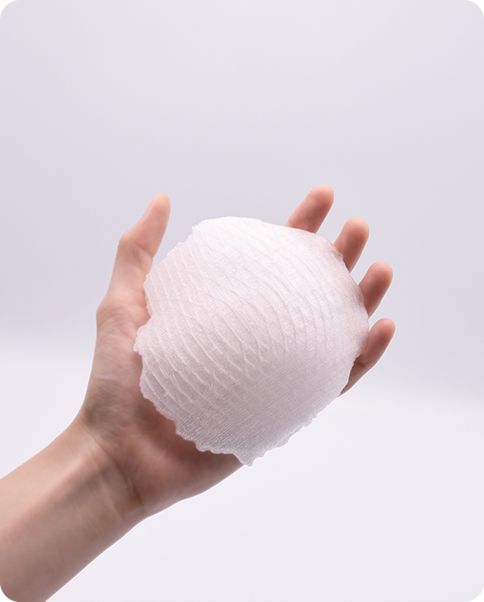
Clinical Applications of PMMA
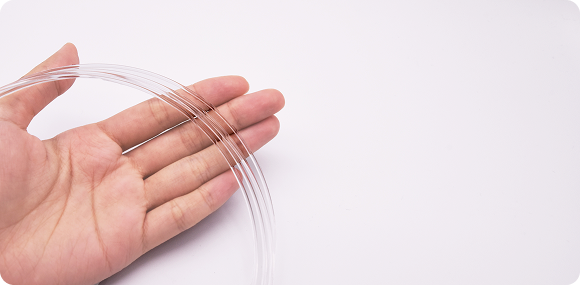
Dental Applications
- Prosthodontics: denture bases, artificial teeth, provisional crowns, retainers.
- Aesthetic advantages: Lightweight, natural looking, and cost effective compared to metallic alternatives.
- Cranial and maxillofacial surgery: Customized cranial implants for cranioplasty using CT based 3D models.
- 3D printed implants for conditions such as gingival smile correction.
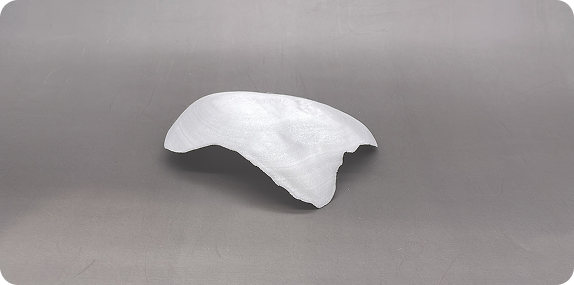
Medical & Surgical Applications
- Orthopedic solutions: Biocompatible bone cement and prosthetic devices.
- Ophthalmology: Intraocular lenses and contact lenses.
- Cardiovascular devices: Blood pumps, dialyzers, and microfluidic systems.
- Cancer & radiotherapy research: Fabrication of PMMA dosimeters to study radiation dosage distribution.
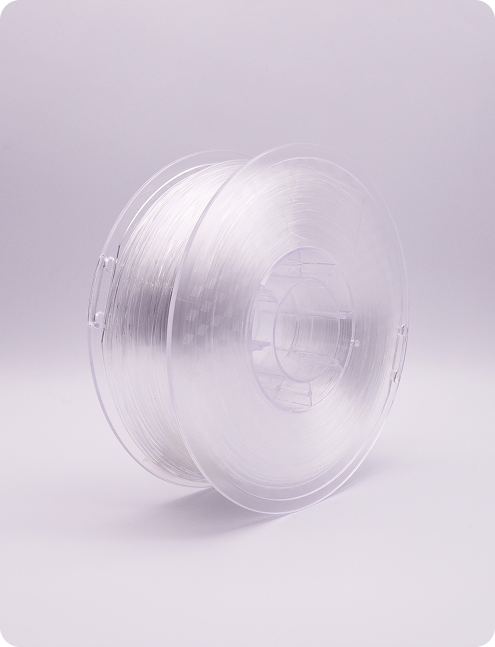
Sterilization of PMMA Devices
Not all sterilization methods are compatible with PMMA due to its thermal properties. Avoid autoclaving (steam/dry heat), since exceeding Tg can deform or fracture the material. It resists many chemicals but may be vulnerable to esters, ketones, chlorinated solvents, and aromatic hydrocarbons due to its ester groups. By selecting sterilization carefully, PMMA devices maintain mechanical integrity and biocompatibility.
Recommended Methods
- Ethylene Oxide (EtO): Effective for heat-sensitive materials.
- Hydrogen Peroxide Gas Plasma (HPGP): Strong microbicidal action, non-toxic.
- Gamma Irradiation (γ): Can enhance flexural strength by modifying surface wettability.
3D Printing with PMMA
Printing Parameters
- Extruder Temperature: 230–250 °C
- Bed Temperature: 60 °C
- Print Speed: ≤ 30 mm/s (PMMA performs best at low speeds)
- Safety Note: Printing releases gases. Always ensure proper ventilation during 3D printing.
- Fused Deposition Modelling (FDM): Optimizing layer height, raster angle, and infill density improves flexural strength.
- Direct PMMA Printing for Cranioplasty: Eliminates PLA molds, producing high-quality, patient-specific implants.
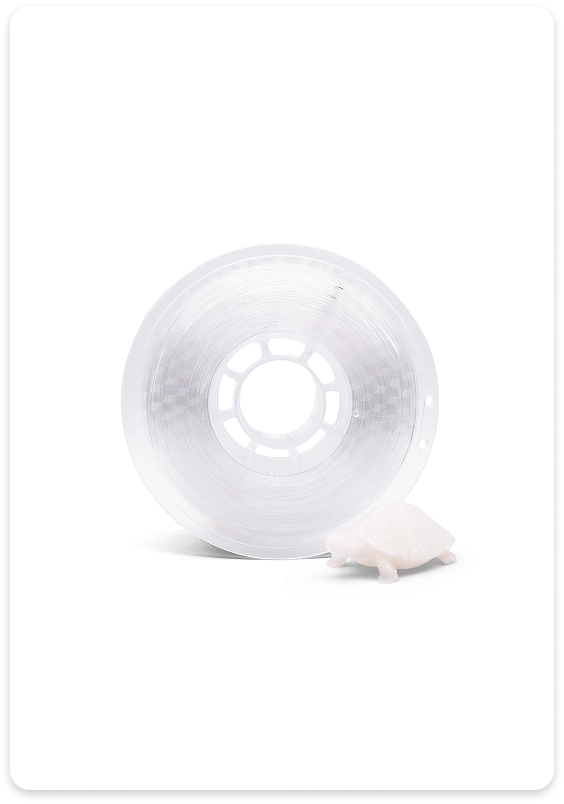
Certifications
ISO 10993 and USP Class VI-certified PMMA filaments ensure reproducibility, safety, and performance.