Contact : +91-98404 78347  |  Email: [email protected]  |  Work Hours : Mon to Sat : 09:30- 18:30  |  Meet us Live OnlineContact : +91-98404 78347  |  Email: [email protected]  |  Work Hours : Mon to Sat : 09:30- 18:30  |  Meet us Live Online
1
Graft Logo Horizontal

3D Printing in the Management
of Facial Deformities

3D Printed Cranial Model

Designed by Zoriox Innovation Labs ,Marketed by Graft3D Healthcare Solutions

Overview

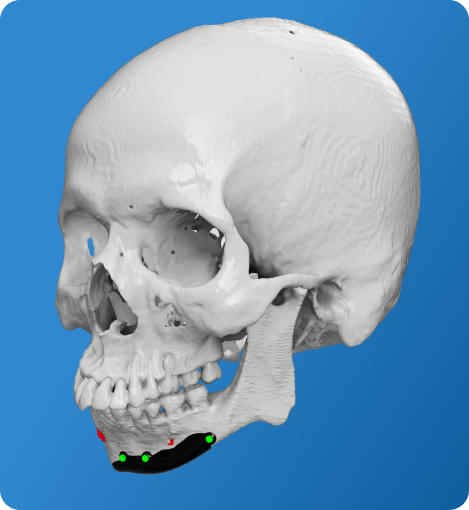
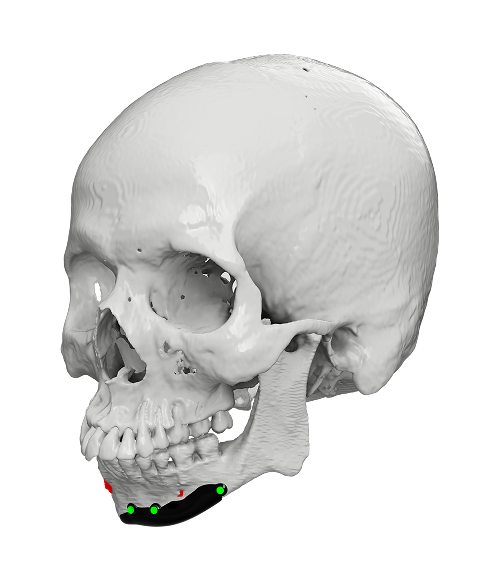
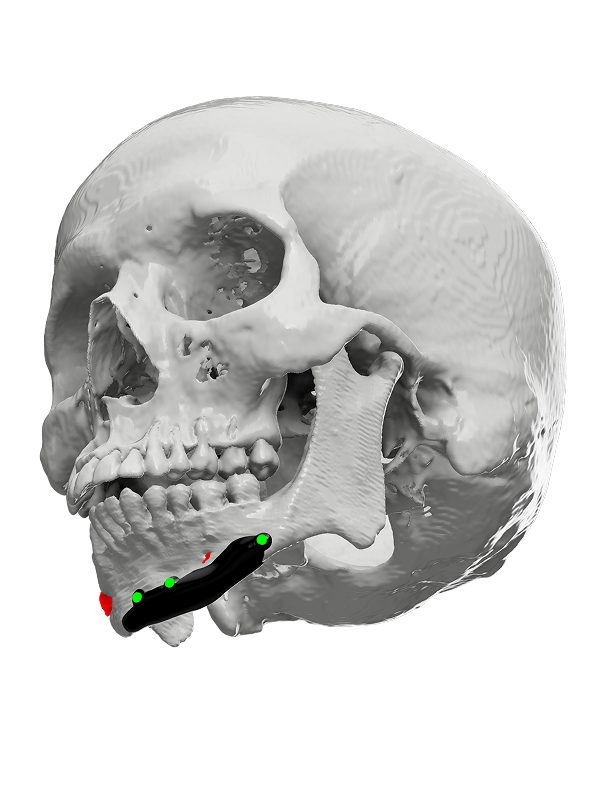
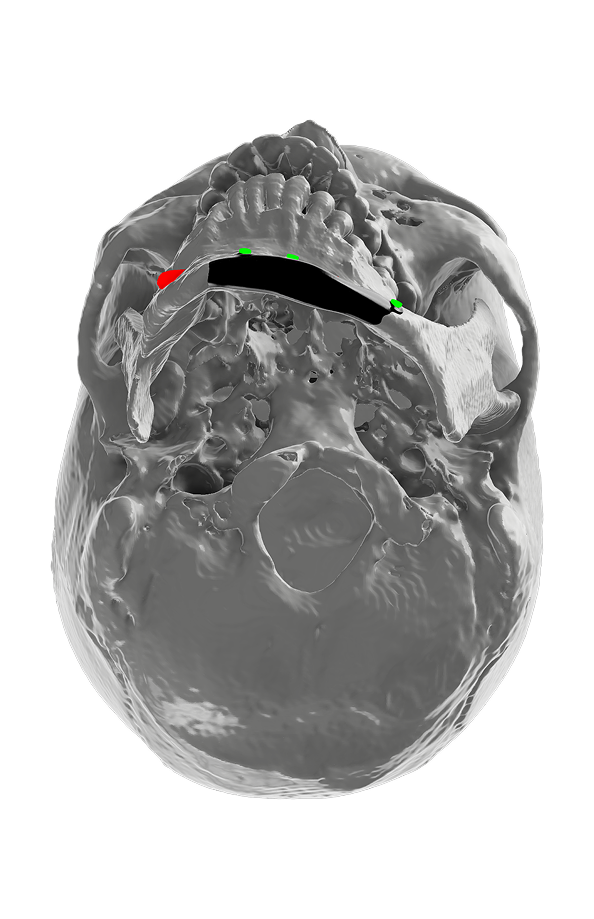
The use of medical 3D printing is a revolutionary advance for craniofacial and facial surgeons. Accurate 3D models can be produced from patient's anatomical data resulting in tools to perform reconstruction, restore function, improve aesthetics, pre-operative surgical assessment and anatomical model reproduction to simulate the procedures.
  • Support precise measurements and simulation for better outcomes.
  • Facilitates highly personalized patient-specific solutions.
  • Helps reduce surgical time and improves the overall quality of care.
Craniofacial Model Overview
Virtual Surgical Planning

Role of Virtual Surgical Planning (VSP)

Virtual surgical planning (VSP) leads to accurate 3D printing for surgeons. This results in more precise outcome for the facial deformity reconstruction. Virtual surgical planning starts with patient's CT/MRI data and involves digital segmentation to enhance planning accuracy.

  • " Detailed pre-operative analysis of patient's anatomy. "
  • " Simulation of potential surgical outcomes to ensure best precision. "
  • " Reduces intra-operative guesswork by following precise virtual plans. "
  • " Enhanced communication with patients through 3D visualization. "

Integration of 3D Printing Technology

Using 3D images from various modalities such as CT, MR and PET data, 3D printing processes can convert this into high-quality anatomical virtual and printed medical models for surgical planning and research.
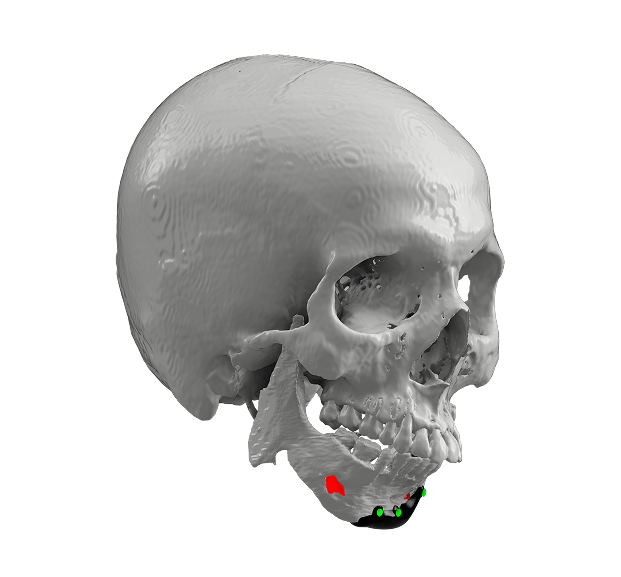
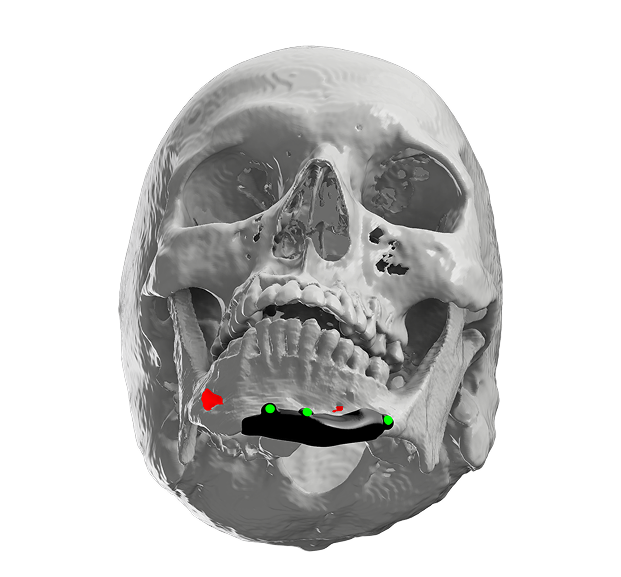
  • The digital data is refined through advanced segmentation and CAD software.
  • Precision manufacturing tools generate patient-specific solutions for the medical industry.
  • Enables rapid production of complex geometries which conventional methods could never achieve.
Integration of 3D Printing
3D Printing Advantages

Advantages of 3D Printing and VSP Assisted Facial Reconstruction

Improved Precision:

Superior accuracy in fitting and reconstruction.

Time Efficiency:

Reduced surgical operation time and faster healing.

Strong Predictability:

Leads towards better vision on the final outcome.

Superior Customization:

Tailored products to suit unique anatomical shapes.
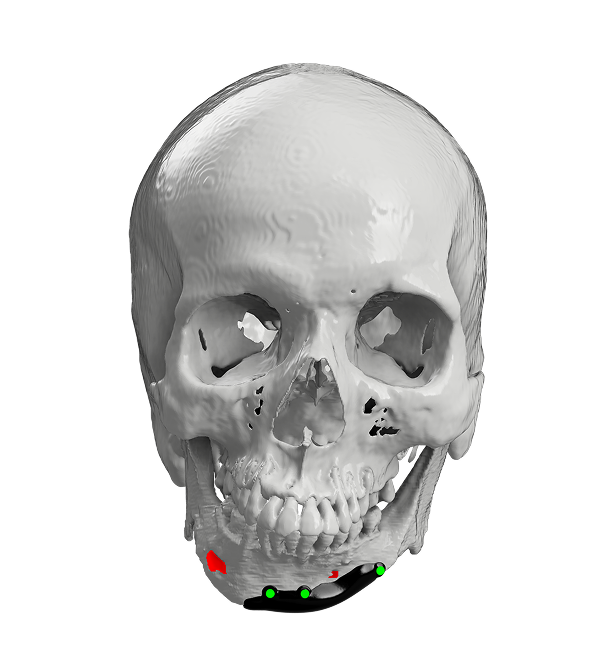
Clinical Applications

Orthognathic Surgery of Maxillofacial Management:

  • Customized solutions for complex jaw alignments and corrections.

Orbital Reconstruction in Craniofacial Correction:

  • Precise repair of the eye socket using patient-specific implants and guides.

Correction of Hypertelorism and Mid-facial Bone Correction:

  • Advanced planning and execution for correcting facial bone spacing.

Cranial Vault Remodeling:

  • Digital workflow for complex skull reshaping and reconstruction.

Micro-facial Bone Reconstruction:

  • Small scale bone repairs and refinements with high detail.
Clinical Applications

FAQs

3D printing, also known as additive manufacturing, involves creating physical three-dimensional objects from digital models. In craniofacial surgery, it is used to produce anatomical models, surgical guides, and patient-specific implants (PSIs) tailored to the unique anatomy of each patient.
It offers unparalleled precision, allows for personalized treatment plans, reduces operation time, and improves surgical outcomes by providing surgeons with patient-specific tools and models.
Yes, 3D printing is particularly beneficial for complex cases where standard implants or surgical approaches may not be sufficient, allowing for detailed planning and custom solutions.
VSP is a digital process where surgeons use 3D software to plan the surgery in a virtual environment. This plan is then translated into physical tools and implants using 3D printing.
With rapid prototyping and streamlined digital workflows, the turnaround time for custom models and guides can be very fast, often within a few days from the initial scan.
Absolutely. 3D scans (CT or MRI) are the foundational data used to create the digital models for planning and manufacturing patient-specific solutions.
Yes, medical-grade materials such as biocompatible polymers (PEEK) and metals (Titanium) are used, which are thoroughly tested and safe for patients of all ages, including children.
Common items include anatomical models for pre-surgical practice, cutting guides for precise bone resection, and patient-specific implants for reconstruction.
The future includes even higher levels of personalization, potential for bio-printing tissues, and further integration of AI to optimize surgical planning and implant design.
Get Started with 3D Printing

Digital Solutions

3D Printing in the Management of Facial Deformities

Get Quote Now