Facial Bone Augmentation
Using 3D Printing
Designed by Zoriox Innovation Labs, Marketed by Graft3D Healthcare Solutions
Overview
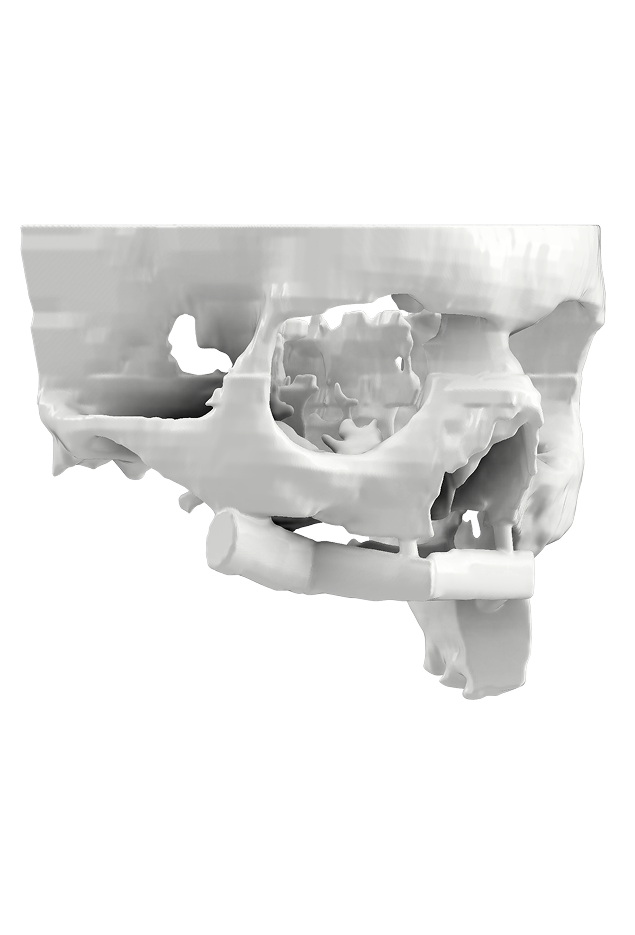
Facial bone deformities can be due to congenital defects, traumatic injuries or loss of bone after excision of tumours. These are associated with functional difficulties and a high degree of aesthetic asymmetry that cannot be easily corrected through standard reconstructive methods. In recent years, the introduction of 3D printing in facial bone reconstruction has brought groundbreaking enhancement by enabling surgeons to deliver precise restoration of aesthetics and long-term stabilization.
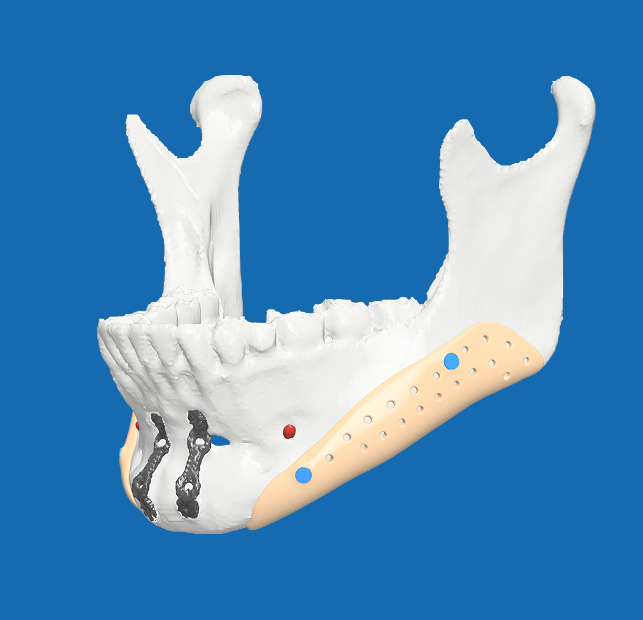
Why 3D Printing in Facial Bone Reconstruction?
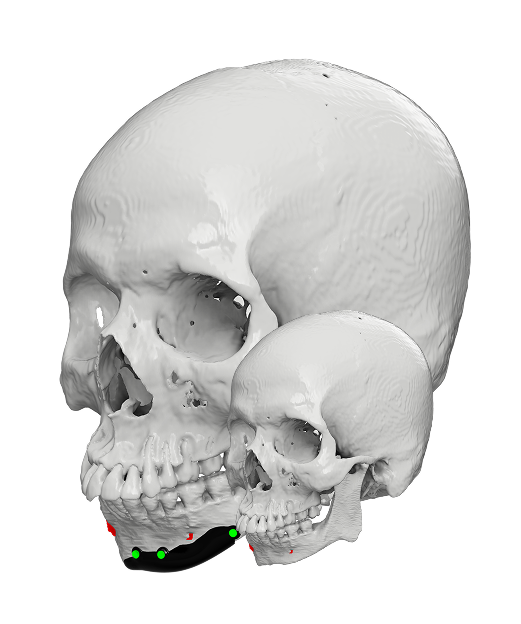
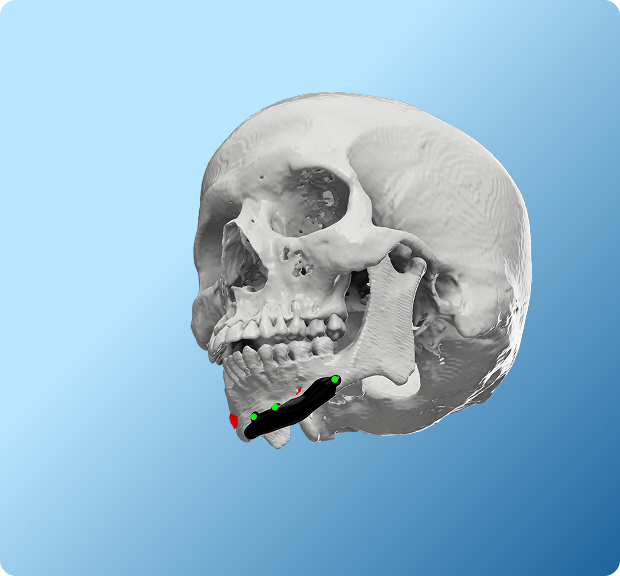
Unlike standard fixation plates or grafting techniques, 3D printed facial implants are tailored to each patient's individual anatomy. Surgeons and biomedical engineers generate a digital image of the facial deformity, using high resolution images of CT scan, which is then processed through a computer-aided design (CAD) software. The facial implant is fabricated with exact dimensions for accurate fit, reducing the procedure time and eliminating trial and error during surgery.
Materials Used in 3D
Printing
Several biocompatible materials are used in 3D printed facial bone reconstruction, which provide advantages in terms of their clinical application:
PEEK (Polyetheretherketone):
Lightweight, strong and radiolucent allowing for easier post-operative imaging.
Porous Titanium:
Offers excellent mechanical strength and a surface that encourages bone ingrowth.
Biocompatible Polymers:
Flexible, safe and appropriate for long-term patient-specific use.
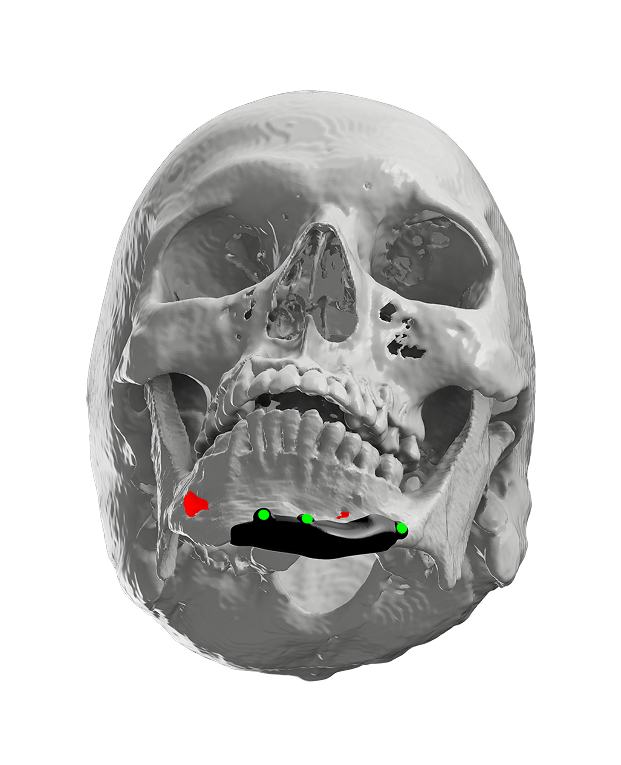
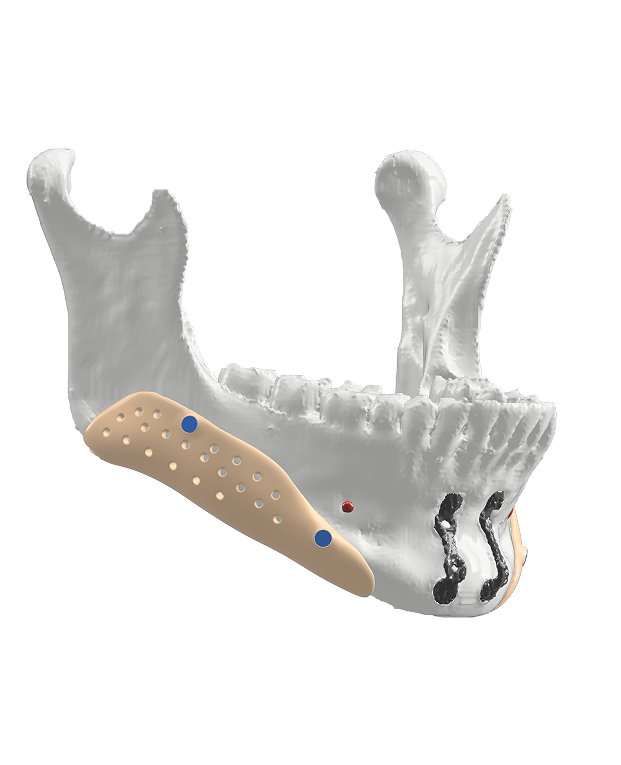
Advantages of 3D printed
facial implants
Scaffold-like structures can be introduced in 3D printed facial implants, which is one of the biggest advantages. This porous, open latticework that mirrors the natural trabecular structure of cancellous bone results in:
Increased Osseointegration:
The growth of new bone cells into the implant surface.
Improved Vascularization:
Long-term stability and natural healing.
Mechanical Reliability:
Maintaining structural integrity and facilitation of biological integration.
Clinical Applications of 3D
Printed Facial Bone
Augmentation
This novel technology has now been implemented in various aspects of craniofacial reconstruction:
Orbit Augmentation:
Correcting enophthalmos and replacing atrophied orbital volume following trauma or disease.
Zygomatic and Malar Enhancement:
Restoring symmetry in the case of fractures, congenital underdevelopment or post traumatic deformities.
Mandibular and Maxillary Contouring:
Enhancing appearance and function for those with congenital jaw abnormalities or injury.
Reconstruction of the Skull and Frontal Bone:
Aesthetic and reconstructive aspects in injuries after cerebral and cranial trauma, oncologic surgery, radiotherapy or other congenital conditions.